 Business License

Who Says Frozen Vegetables are Poor in Nutrition
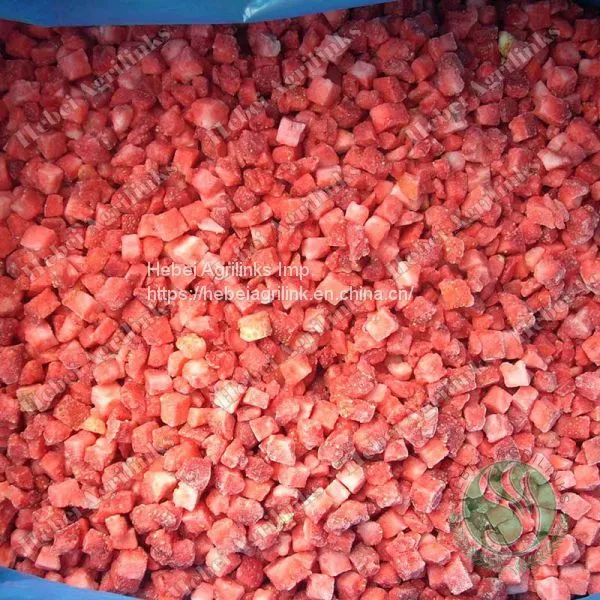
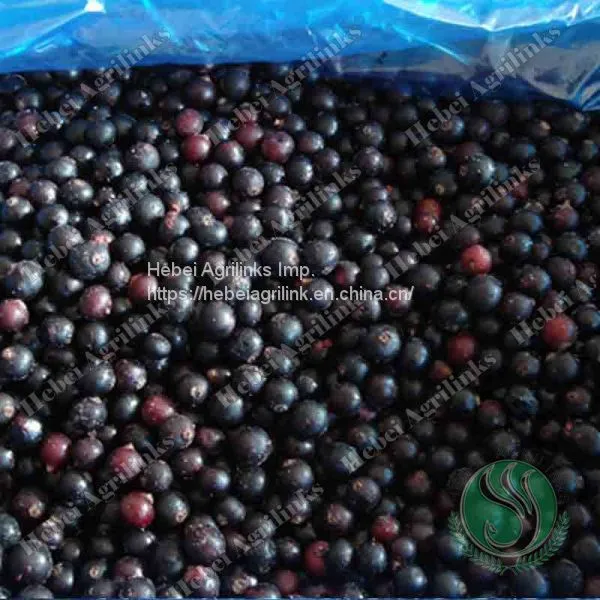
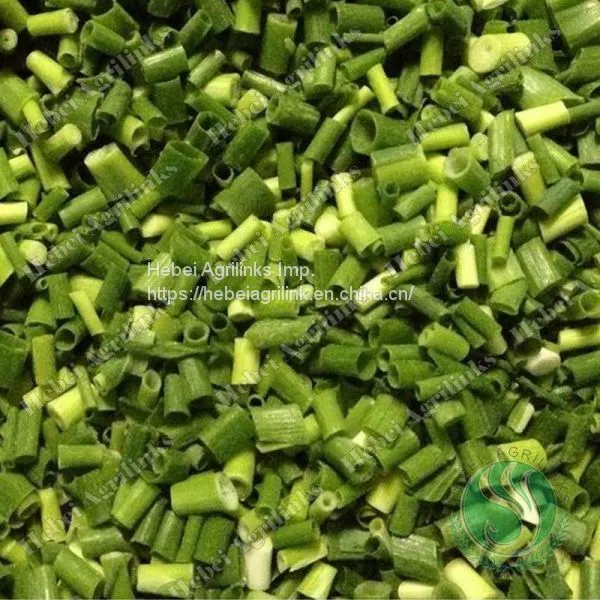
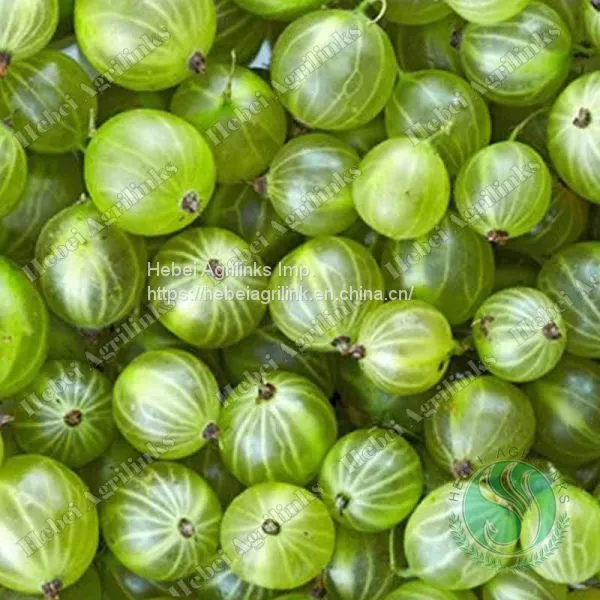
Many people believe that the freezing and thawing process will destroy vitamins, and the nutrition of frozen vegetables and Frozen Fruits is definitely not as good as fresh ones. Is the nutrition of frozen vegetables really worse than that of fresh vegetables? The answer was unexpected—not necessarily.
When fruits and vegetables are picked from the tree, they are still undergoing biochemical activities such as breathing, and they are also degraded in the process. This is the law of nature. Before fruits and vegetables enter supermarkets and farmer's markets, they have to go through processes such as transportation and storage, and finally reach consumers' homes, often after a long journey. In this process, the nutrition of fruits and vegetables will also be lost.
As for frozen fruits and vegetables, once they are picked, they will soon be frozen at minus 18 degrees Celsius. At this temperature, the respiration of fruits and vegetables is almost stagnant, and microorganisms cannot grow and reproduce. Theoretically, the preservation of nutrients in fruits and vegetables by the freezing process is not harmful, but beneficial.

Frozen Green Beans
Theory belongs to theory. Isn't that true? Scientists also verified the actual situation.
In view of the nutrients in common fruits and vegetables, such as vitamin C, B vitamins, polyphenols, carotenoids, etc., the US Department of Agriculture has conducted an investigation on the market. The results show that although there are differences in certain nutrients between frozen vegetables and fresh vegetables, there is no obvious difference overall; even, in some cases, the preservation rate of vitamin C, B vitamins, carotenoids and other nutrients in Frozen Vegetables and fruits , It is higher than fresh fruits and vegetables.
Scientists at Sheffield Hallam University in the United Kingdom found that there is not much nutritional difference between fresh food and frozen food after studying 37 products. The study also found that Frozen Green Beans and fresh green beans have higher levels of beta carotene after cooking.
For this reason, international health organizations believe that frozen fruits and vegetables and fresh fruits and vegetables are both healthy foods. The stereotype of "frozen fruits and vegetables are of poor quality" is outdated.
Recently Posted
-
Why Frozen Raspberries Are Good for You?
September 12, 2023Frozen raspberries are a delicious and nutritious fruit that can be enjoyed in a variety of ways. Not only do they taste great, bu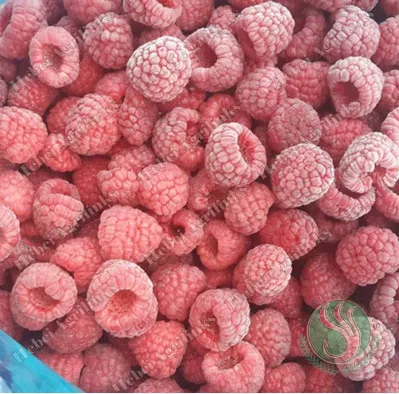 Read More
 -
Advantages of Frozen Vegetables
February 23, 2021It has become a habit to consume frozen vegetables abroad. The annual consumption is much larger than the fresh vegetables. The Frozen Vegetable Supplier arranged for us the benefits of frozen vegetables as follows:1.Nutrition, freshness, nutrition is not inferior or better than fresh vegetablesFrozen vegetables generally complete the process of picking, dicing, washing, freezing, and packaging within 8-10 hours. ThRead More -
Mistakes to Avoid When Cooking Frozen Vegetables
February 23, 2021Here are some common mistakes to avoid when you cook Organic Frozen Vegetables:1.Don’t Boil Your VegetablesOne way we don’t recommend cooking your Frozen Vegetables is by boiling them. Boiling frozen vegetables can make them limp, soggy, and flavorless. This can happen if you prepare them in the microwave too, so try to avoid steaming your veggies in the microwave.2. Don’t Just Focus On Lunch Or DinnerFrozen veRead More -
Advantages of Frozen Fruit
February 23, 2021In the conventional wisdom of the general public, eating fresh fruits is the norm for consumption. So, how does frozen fruit compare with fresh fruit in terms of nutrition, taste and price? What advantages have become reasons for consumers to choose? These are issues that end users care about. Frozen Fruit Manufacturer answers your doubtsThe advantages of frozen fruit are mainly reflected in the following four pointRead More